In the current global landscape, a quiet yet powerful shift is underway. The seasoned traveler — the curator of moments — is no longer satisfied with the superficial.
The demand has decisively migrated from picture-perfect postcards to deep, transformative experiences. Recent data confirms this evolution: the experiential travel market surpassed the US$ 1 trillion mark in 2024, with 54% of travelers now citing culture as a more decisive factor than traditional sightseeing attractions.
This new era of tourism craves authenticity — a connection that resonates long after the journey ends.
At Gondwana Brasil, we don’t just recognize this trend; we live it. Through deep curation, co-created with our communities and partners, we deliver “The Brazil we call home”: a nation defined by genuine human connections, living cultures, and nature that pulses with untamed energy.
For our strategic partners, understanding this distinction is the key to unlocking a market that values depth over discounts.
The power of people: Innovating with community-based tourism (CBT)
The most potent tool for offering an authentic Brazilian experience is Community-Based Tourism (CBT). This isn’t just a travel category; it is a paradigm shift.
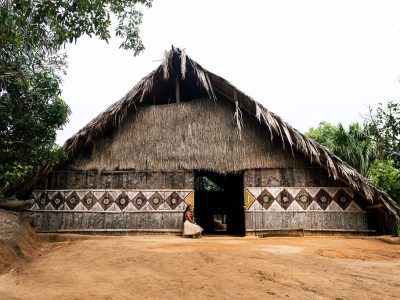
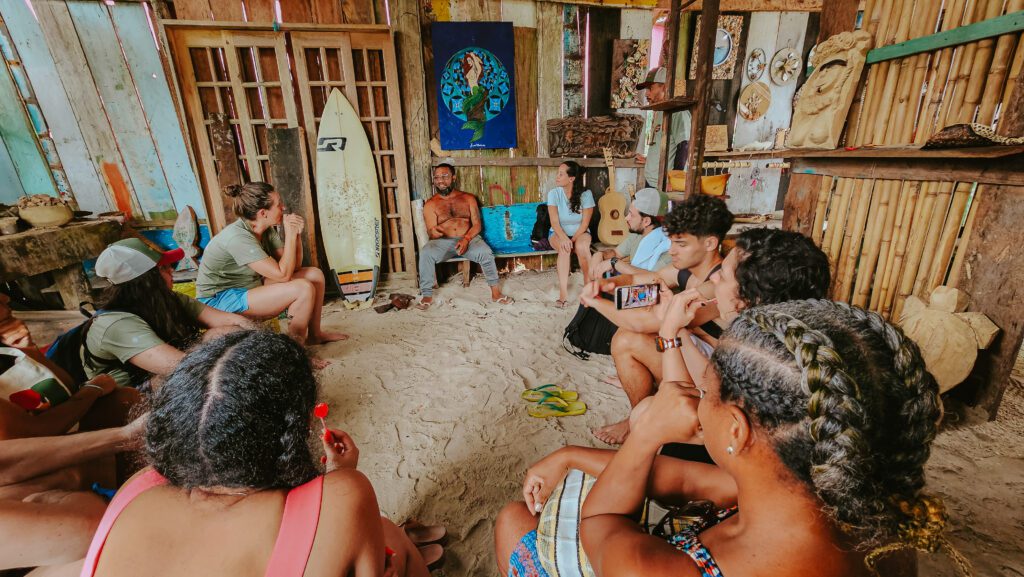
Going beyond passive observation, CBT invites travelers into the heart of Brazil’s diverse communities, whether it’s riverside families in the Amazon or Quilombola descendants in the Atlantic Forest.
Immersion of this caliber transforms a simple trip into a narrative of shared humanity. It creates unforgettable stories while generating measurable positive impact, directly empowering local economies and preserving ancestral traditions. The impact is real and documented: in 2017, visitors to protected areas in Brazil injected approximately US$ 530 million into local community economies.
For your portfolio, these are not just trips; they are exclusive, powerful experiences that resonate with a conscious, demanding clientele seeking purpose in their journeys.
The alchemy of wildlife: unlocking Brazil’s biomes
As specialists, we empower our partners to present a Brazil that transcends clichés. While the Amazon is iconic, our nation’s biodiversity is far more complex and rewarding. We guide you through ecosystems that reveal the true magic of Brazil.
| Biome | Key characteristic | Wildlife highlights | Experience potential |
| Amazon | The world’s largest tropical rainforest, home to over 3 million species. | Pink river dolphin, giant otter, harpy eagle. | Deep immersion in riverside communities, indigenous territories, cruises, and primary forest trekking. |
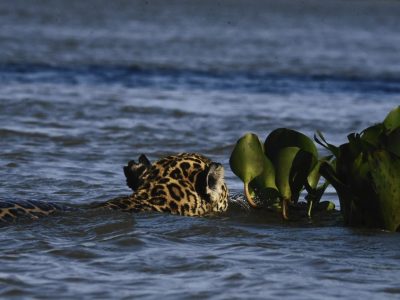
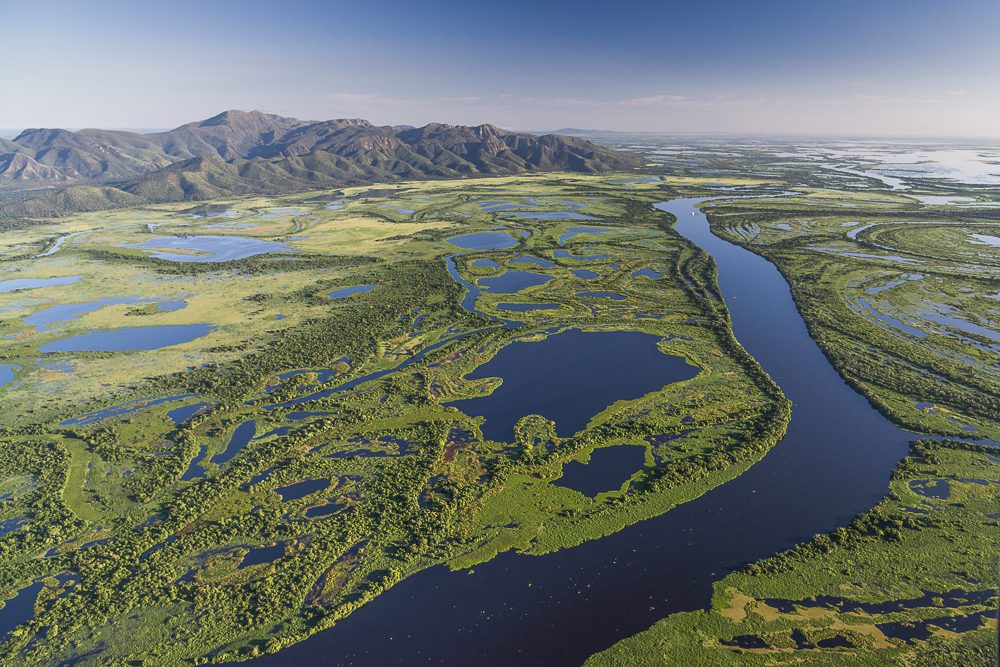
| Pantanal | The planet’s largest tropical wetland, considered the best place on Earth for jaguar spotting. | Jaguar (estimated population of 1,668 individuals), jabiru stork, capybara, tapir, hyacinth macaw, giant anteater. | Photographic safaris, birdwatching, wildlife observation, conservation projects, horseback riding. |
| Atlantic Forest | A global biodiversity hotspot with over 8,000 endemic species. | Southern muriqui, golden lion tamarin, jaguar. | Ecotourism, birdwatching, and trails in national parks. |
Offering these destinations does more than expand an itinerary; it positions you as a true authority, providing wildlife encounters that are rare, ethically managed, and deeply transformative. This level of expertise is what distinguishes a standard tour operator from a market leader.
Windows of opportunity: strategic products
To maximize value for your clients, timing is everything:
The Pantanal: The dry season offers the prime window for spotting jaguars and other species as animals congregate around remaining water sources. This is a high-ticket product essential for nature photographers and luxury travelers.

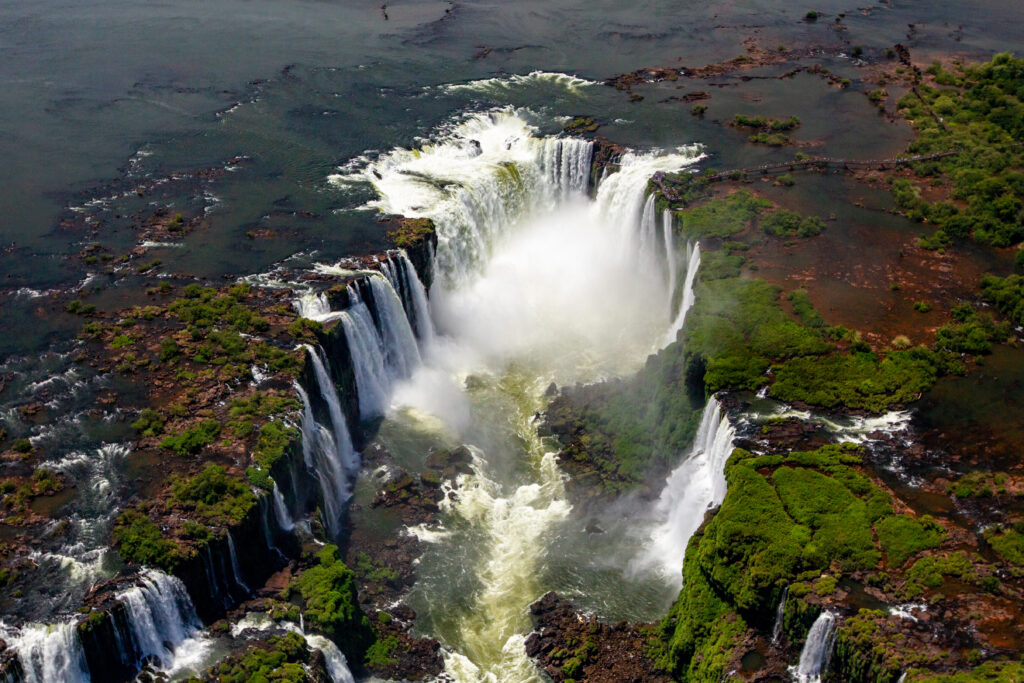
Autor: Andre Dib Foz do Iguaçu: A classic that, when combined with immersion in the Atlantic Forest of Iguaçu National Park, transforms from a simple sightseeing stop into a masterclass on the power of nature and the importance of conservation.
The Gondwana advantage: why your local partner is your competitive edge
Delivering these intricate, high-value experiences requires more than a booking platform; it demands deep localized knowledge and flawless logistical execution. This is the Gondwana Advantage.
With over 24 years of proven excellence and a curation process driven by exacting female leadership, we provide the security and operational mastery needed to navigate the complexities of Brazil.
We are not just a supplier; we are your strategic partner on the ground — a competitive advantage ensuring every detail is managed with precision and passion. Partnering with us means you can confidently sell the promise of an authentic Brazil, knowing it will be delivered flawlessly every time.
Contact us today to design an itinerary that combines the vibrant energy of Brazil with the depth of our immersive experiences.
References:
GoWithGuide. “Brazil Tourism Statistics 2025: Visitor Numbers & Insights”. Fevereiro de 2025. | Statista. “Experiential travel – statistics & facts”. Setembro de 2025. | RLA Global. “Outlook for 2024: the rise and rise of experiential travel”. | McKinsey & Company. “The evolving role of experiences in travel”. Setembro de 2024. | Panorama Solutions. “Assessing Economic Impacts of Tourism in Protected Areas Brazil”. Setembro de 2025. | Scielo. “Turismo de base comunitária na favela Santa Marta (RJ): oportunidades sociais, econômicas e culturais”. | Greenpeace USA. “Biodiversity and the Amazon Rainforest”. 2020. | WWF. “About the Amazon”. | Interfaith Rainforest Initiative. “Amazonian biodiversity, a virtuous web of life”. Outubro de 2024. | de Barros, A.E. et al. “Wildfires disproportionately affected jaguars in the Pantanal”. Nature, 2022. | ResearchGate. “The status of the jaguar in the Pantanal”. Maio de 2025. | Alvarenga, G.C. et al. “Jaguar (Panthera onca) density and population size across protected areas”. ScienceDirect, 2025. | CEPF (Critical Ecosystem Partnership Fund). “Atlantic Forest – Species”. | UNESCO World Heritage Centre. “Atlantic Forest South-East Reserves”. | Conservation Biology. “Challenges and opportunities for biodiversity conservation in the Brazilian Atlantic Forest”. 2005.