Tourism that protects: the forest as a living asset
Gondwana Brasil
“A standing forest is worth more than a felled one”, said Chico Mendes, a prominent Brazilian environmentalist who was murdered in 1988 but left a legacy that lives on through his fight to preserve forests, especially the Amazon. Mendes was also a trade unionist and rubber tapper. The expression “standing forest” refers to the idea of keeping biomes preserved and alive — “standing” — as opposed to being destroyed by deforestation.
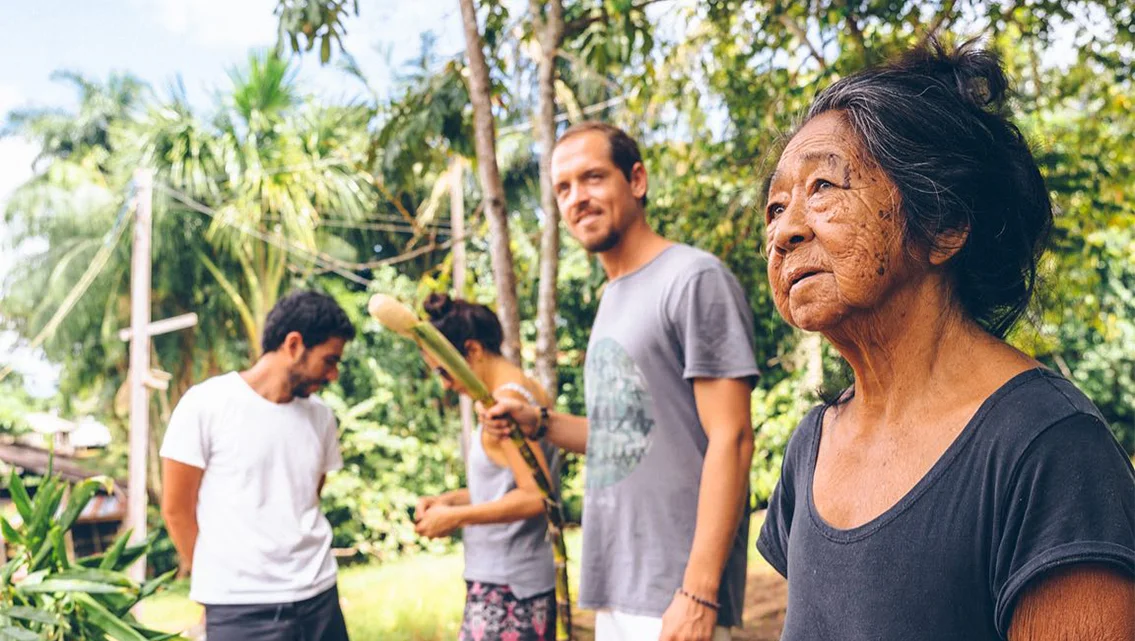
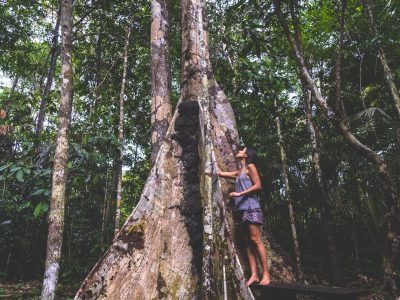
“We work in communities that, before becoming involved in tourism, were engaged in logging. For a long time, they looked at trees thinking about cutting them down: ‘How much is it worth?’ ‘How many planks can I get from it?’ Today, I’ve heard many of them say how they see the forest with different eyes. A large tree used to be one that was meant to be cut — it had a price. Now they see it as an attraction. They can take visitors to see it. They notice how much value visitors place on things that were always in front of them — but that they often didn’t notice,” shares Bruno Mangolini, founder of Poranduba, about his experience as a responsible tourism professional in the Amazon.
“In this shift in mindset, they now see that a tree has more value — even for them — standing than felled. Instead of cutting down a tree and using it once to make money, it becomes a more continuous source of income as they take visitors to explore the forest regularly. I think there’s something really interesting about this new way of observing the world — the way they value things and how that’s been changing over time.”
Bruno Mangolini, founder of Poranduba.
The preservation of standing forests is crucial for maintaining socio-biodiversity, regulating the climate and ensuring the livelihoods of traditional communities. From a financial standpoint, conservation actions are increasingly tied to several sectors — including nature-based tourism and ecotourism, which accounted for 60% of tourism sector revenue in Brasil last year. The data comes from a study published by the Serviço Brasileiro de Apoio às Micro e Pequenas Empresas (Brazilian Micro and Small Business Support Service – Sebrae) with the support of the Ministry of Tourism.
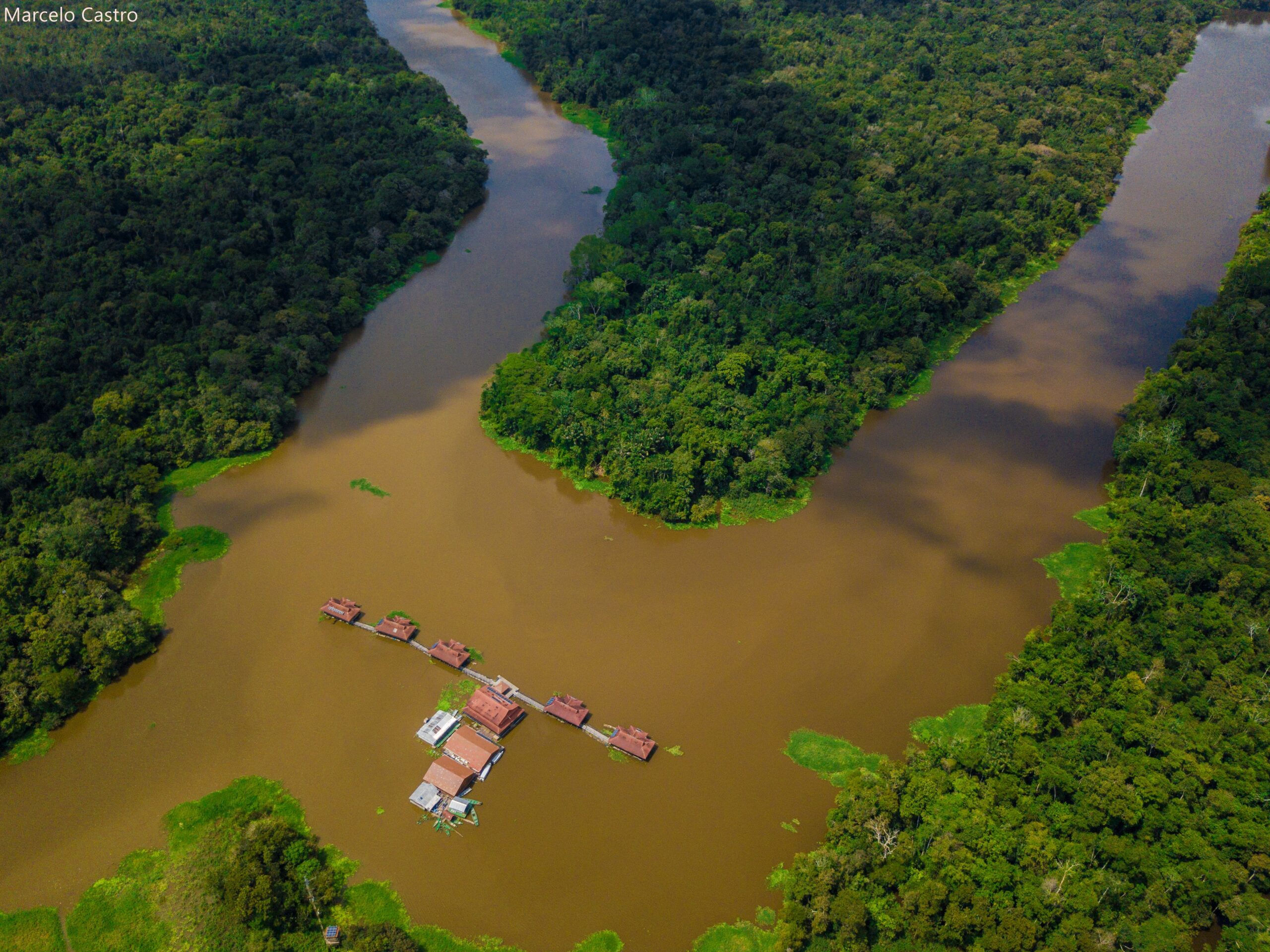
A leading national example is the work developed by Uakari Lodge, created in 1998 as both a biodiversity conservation strategy and an economic alternative for the communities of Mamirauá, the first Sustainable Development Reserve in Brasil. Pedro Meloni Nassar, Coordinator of the Community-Based Tourism Programme at the Mamirauá Sustainable Development Institute, explains:
Pedro Meloni Nassar, Coordinator of the Community-Based Tourism Programme at the Mamirauá Sustainable Development Institute.
“Over more than 25 years of work, we’ve sought to involve the people who live here in conservation practices. We’ve also combined this with scientific approaches, including research. It’s a combination of many actors and perspectives that shape the work done at the lodge.”
“We know that local people help protect the forest because they are part of that environment — it’s not even about feeling part of it, they simply are. We also apply environmental protection measures in general, such as wildlife monitoring; treating wastewater to avoid polluting the area around the lodge; and managing trails so they don’t get overused. There are many rules — most of them are part of the Management Plan for the protected area, and many were even proposed by the Mamirauá Institute and the lodge team,” he concludes.
Photo: Uakari Lodge/Reproduction
Transformation through tourism
The socio-bioeconomy can be more profitable than conventional economic models that contribute to deforestation in the Amazon and other biomes. According to the Brazilian federal government, this interdisciplinary field studies the complex interactions between social, biological and economic factors in shaping human societies, seeking to understand how they influence and are influenced by each other.
Carlos Nobre, columnist for Ecoa at UOL, shares some examples of how the socio-bioeconomy can outperform livestock farming in economic terms:
“Pasturelands require 1 to 2 workers per 100 hectares and generate a profit of US$50 to US$100 per hectare per year. Soybean cultivation requires up to 1 worker per 100 hectares and yields US$100 to US$300 per hectare per year. In contrast, the management of agroforestry systems and harvesting of dozens of non-timber forest products requires 20 to 40 workers per 100 hectares and yields US$300 to US$700 per hectare per year,” he explains, based on data from the Amazon Scientific Panel presented at COP27 in Egypt, 2022.
In 2023 alone, Gondwana Brasil generated just over 1,900 visits across 20 state and national parks and nature reserves, resulting in nearly R$1.5 million in revenue for protected areas — some of which are among the very initiatives mentioned in this article. These figures are part of our 2023 Impact Report, and the 2024 edition will be released soon.
But when we speak of transformation, it goes beyond the territory.
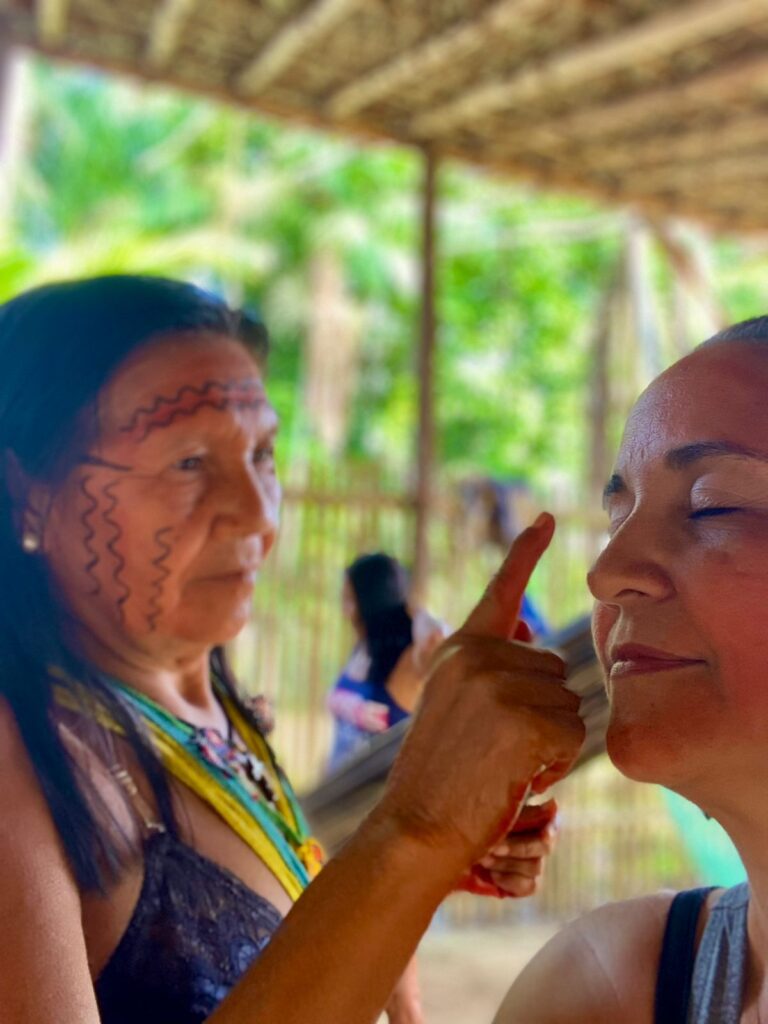
“What moves me most in the relationship between the forest and the visitor is witnessing the moment when their perception changes. Someone who often arrives with fears or superficial expectations is suddenly deeply moved by the living vastness of the Amazon. At that moment, the forest is no longer just a backdrop — it reveals itself as a pulsating organism, full of stories, knowledge and interdependent lives. That’s when I realise the true power of ecotourism: to awaken respect, connection, and the feeling of belonging to something greater, with purpose. It has the power to transform lives through an economic activity that values and protects the forest peoples”, says Vanessa Marino, founder and CEO of Amazon Emotions.
Vanessa Marino, founder and CEO of Amazon Emotions.
Much more can still be done for the forests
Despite progress, we remain in a collective learning process — understanding the true value of forests and the opportunities they offer for society and the economy.
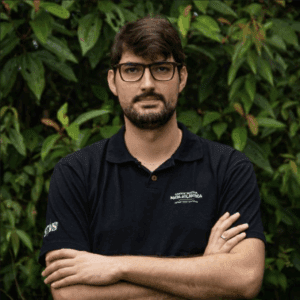
As Ricardo Borges, Biodiversity Coordinator at the Grande Reserva Mata Atlântica points out, responsible tourism plays a fundamental role in valuing natural environments. By taking people to visit natural attractions, landscapes, species, cultures and local histories, ecotourism becomes a concrete alternative for income and conservation. The better preserved the area, the better the product — it’s a win-win.
Ricardo Borges, Biodiversity Coordinator at the Grande Reserva Mata Atlântica.
“Responsible tourism, ecotourism in general, has a fundamental role, because it’s a way to explore these natural areas by taking people to see the attractions, landscapes, species, culture and history of particular regions. And the better preserved the area is, the better my product. That means more clients and better prices. It’s a win-win relationship. This is the economy of the future — the bioeconomy.”
“(…) We’re talking about technological innovation, an economy based on mutual benefit. A type of economy that values people, encourages capacity-building, and brings direct benefits to communities — especially for young people living in these areas who still don’t have many opportunities. (…) Brasil has enormous potential. I believe our country is the leading global power when it comes to the production of nature — but we need to turn this potential into practice.”
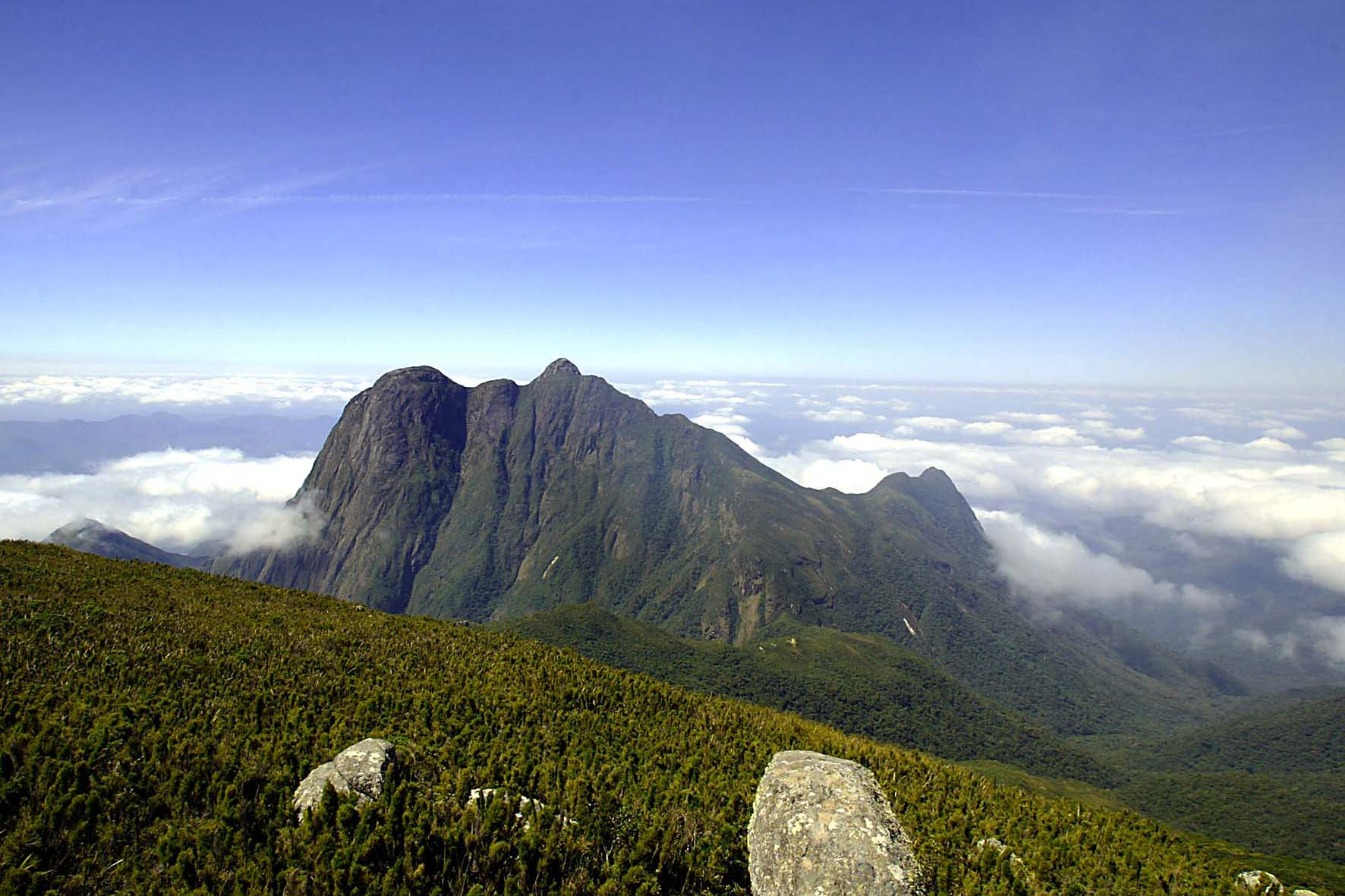
Pico Paraná – Foto: Denis Ferreira Netto
Here at Gondwana Brasil, we believe that too.
Our mission is to create and deliver authentic journeys that highlight Brasil through meaningful connections between travellers, local communities and nature — generating social transformation and a positive impact on the planet. People and nature are the soul of our work. And everyone who travels with us — or becomes our partner — contributes directly to that purpose.
Share post:
LinkedIn
Facebook
Twitter
Email
Related Posts
travel guide, real brazil
Defining the real Brazil: A guide to unveiling the soul of a nation beyond the obvious
LGPD
Privacy Policy
brazilian culture
5 Trends redefining tourism in Brazil
Sustainability
Tourism that protects: the forest as a living asset
We use cookies to ensure that we give you the best experience on our website. If you continue to use this site we will assume that you are happy with it.